










Intel’s Lip-Bu Tan says AI companies will have to prove the returns justify the spending
The Intel chief expects AI demand to remain strong over the next two to three years, but says financing costs and return on investment are key challenges. Meanwhile, cheaper Chinese models are finding users, adding pressure to an industry built around increasingly expensive systems.
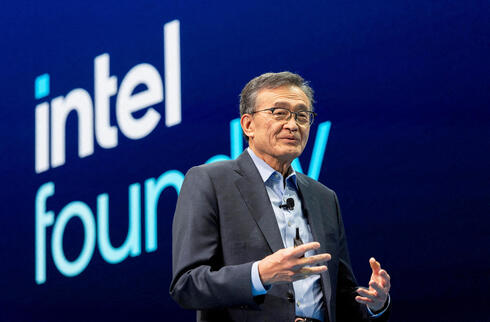
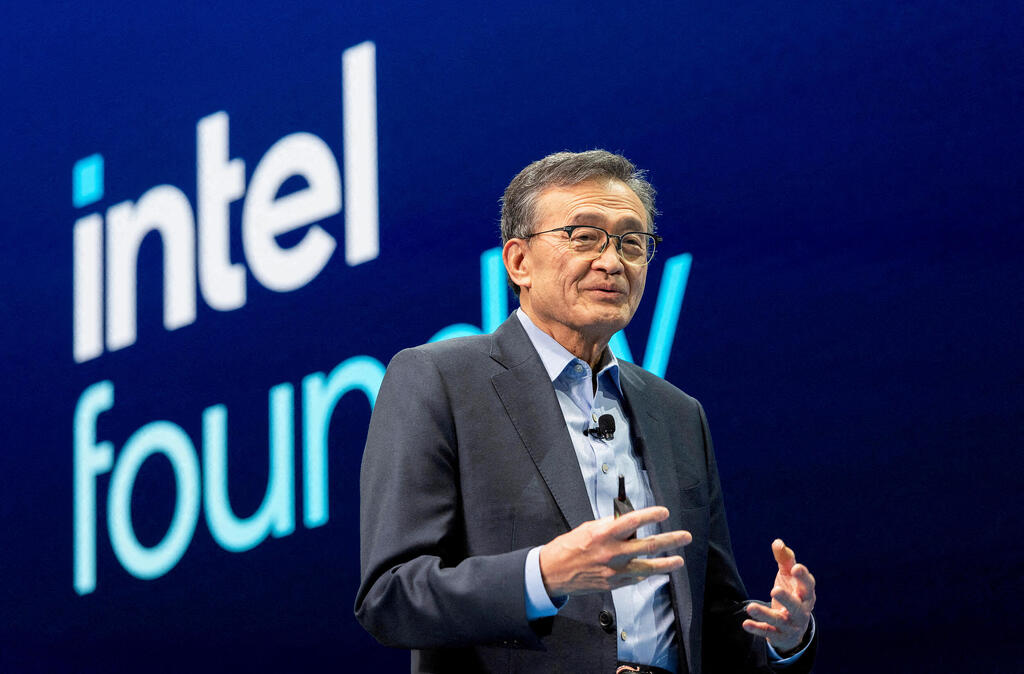
Intel CEO Lip-Bu Tan sees little reason to expect the artificial intelligence boom to slow significantly over the next two to three years. But as the industry pours money into computing infrastructure, he is increasingly focused on whether the returns will justify the cost.
Speaking at the DBS Asia Future Forward Conference in Singapore on Monday, Tan identified the rising cost of capital and uncertainty over returns on investment as key challenges for the AI industry. His comments came during a panel with Broadcom CEO Hock Tan, who warned that financing, rather than shortages of semiconductors, memory chips or electricity, could become the biggest constraint on the sector’s expansion.
“If there’s any challenge in the front, it’s capital and the cost of capital, and then the other part is in the long run, people want to see the ROI,” Lip-Bu Tan said.
The concern points to a potential shift in the debate surrounding AI. After years in which the industry’s most pressing challenge was securing enough computing capacity to meet demand, the ability to finance that expansion, and eventually generate adequate returns, is becoming a central question.
Tan does not expect the industry’s momentum to fade. He cited the growing adoption of AI applications and continued demand for computing power as reasons to expect activity to remain strong over the next two to three years.
Yet the economics of AI are also being reshaped by competition from China. Tan said the token costs of Chinese frontier AI models have been lower and their adoption has been “very fast.” Models including DeepSeek, Kimi and GLM are already “good enough” for some uses, he said, challenging the assumption that the most expensive systems will necessarily dominate every market.
“I’m a strong believer of open source, that’s the best way to drive efficiency,” Tan said. He added that the market would ultimately determine which models are best suited to different use cases.
Broadcom’s Hock Tan offered a complementary view of the constraints facing the industry. He argued that capital could become a bigger obstacle to AI expansion than shortages of chips, memory or electricity, even as demand for computing infrastructure continues to outstrip supply.
Over the past two years, the industry has repeatedly encountered supply bottlenecks, he said, but has managed to overcome them. Memory shortages today, for example, might not persist a year from now. Wafer shortages could ease by 2028 or 2029, while electricity availability could improve as new infrastructure comes online.
The broader imbalance is unlikely to disappear immediately. Hock Tan said demand for computing infrastructure exceeds what the industry can supply, a gap that could persist through 2029 and potentially into 2030.



