











University of Haifa in financial crisis: 170 lecturers fired or had positions reduced
The university waited with a recovery plan until the budgetary pension fund was empty. Now the university is embarking on a plan to cut 160 million shekels over four years. The main victims: the junior faculty lecturers. The university: "We are in academic prosperity and financial strength"
The University of Haifa is suffering from a deficit of approximately 60 million shekels per year and is in the advanced stages of formulating a recovery plan. The university has committed to the Planning and Budgeting Committee of the Council for Higher Education (CHE) to cuts totaling 160 million shekels over the next four years. Last week, 170 non-permanent lecturers, out of 1,200, received notice of dismissal or reduction in the scope of their positions. Senior lecturers will be required to increase the scope of their teaching hours, which is considered a serious violation of working and research conditions.
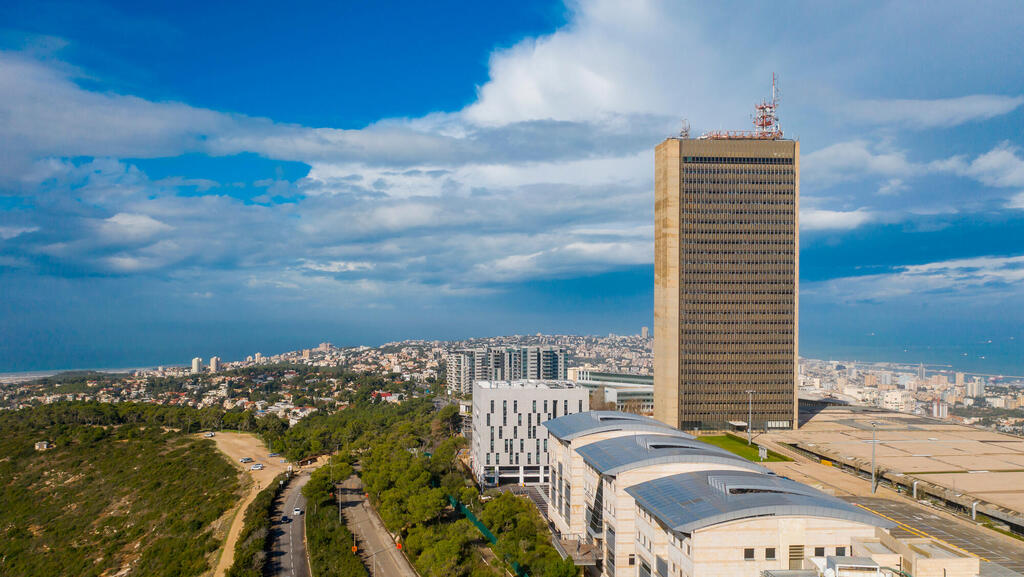
It is still unclear whether there will be layoffs among the administrative staff. The main cause of the crisis is, as was the case in the past at the Hebrew University, the budgetary pension obligations. The State Comptroller warned about the problem as early as 2022, but it was only at the beginning of the year that the university submitted a recovery plan to the Planning and Budgeting Committee of the Council for Higher Education, which was approved in May.
In the state comptroller's report from May 2022, the comptroller warned that the accumulated deficit of the University of Haifa had reached more than one billion shekels. Not a single joint venture classified the university in the red classification and formulated a recovery and efficiency plan. In practice, just this year, the university submitted an efficiency plan to the Planning and Budgeting Committee that includes internal cuts amounting to NIS 160 million, and it was approved in May. 24 million will be saved in the coming school year 2026/27 and 46 million shekels on average in each of the next three years.
The decision made by the Board of Education explains the deficit for two main reasons. One is the end of the actuarial reserves in the budgetary pension fund, which creates a deficit of 42 million shekels per year. This is also the explanation for why the university caught on this year. The money simply ran out.
The second reason is a change in the universities' research budget model. The University of Haifa, which specializes in the social sciences and humanities, suffered even more from the old model that favors natural sciences and engineering. With the new model, it is expected to lose another 16 million shekels per year.
Within the framework of the agreement with the University of Haifa, the Planning and Budgeting Committee is expected to help in two ways. One way is a postponement for several years of changing the budgeting model - which is expected to add NIS 16 million per year to the aforementioned institution. The second is an increase in student quotas.
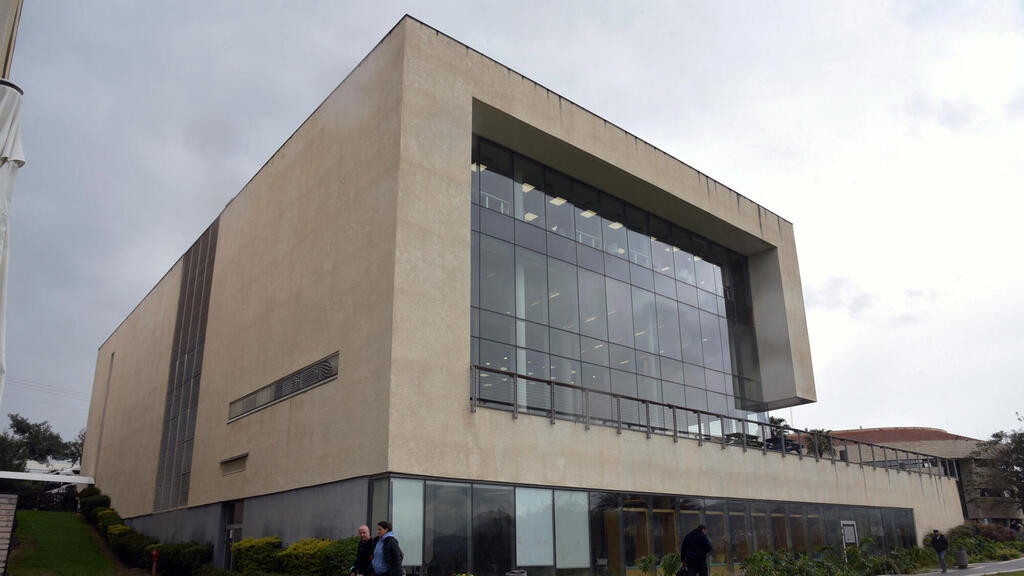
Another move in the streamlining plan is the expected merger with Kinneret Academic College in 2030, when Kinneret will become an engineering faculty that will generate large budgets. In the announcement about the contacts to carry out the unification, it is stated that "the move was examined against the background of the need to strengthen the north at a time when the region is still dealing with the consequences of the war." In practice, it is about creating a problematic competition for Tel Hai University in Kiryat Shmona, which will start operating next year.
"Junior faculty also have rights"
The University of Haifa is negotiating with three committees on the implementation of the streamlining plan. The faculty that is expected to be hit hardest is the junior faculty, that is, lecturers without tenure. As early as last November, the junior faculty organization updated its members on the planned streamlining plan and advised its members: "If you have job offers from other institutions for next year, do not reject them."
170 junior faculty members received notices last week of layoffs or reductions in the scope of their positions, and many have been summoned for a hearing. The junior faculty organization is outraged by the late notice, which makes it very difficult to find a replacement position. The chairwoman of the junior faculty organization, Dr. Hedva Eyal, told Calcalist: "We are aware of the situation at the university, but junior faculty also have rights."
Nitzan Hadas, an advisor to the junior faculty organization, told Calcalist: “The university has a large number of senior academic faculty members who are employed beyond 100% full-time. It is unlikely that the university has not even considered demotioning them to a full-time position while people employed at a quarter-time position are being sent home.”
The university’s message is that the cuts are being divided equally between the three committees, but junior faculty claim that no information has been provided to prove that this is indeed the case. Of course, cuts to junior faculty could have serious consequences for the university’s future generation, especially when other universities compete for the best.
Possible cuts in senior faculty grants
No layoffs of senior faculty researchers are expected. The most severe impact expected on senior faculty is the increase in the number of teaching hours from 6 to 8 hours per week. For researchers, this is a dramatic difference in the ability to conduct research and advance their careers. Therefore, such a move also makes the University of Haifa very vulnerable to the acquisition of senior lecturers by other institutions that will offer work under much more favorable conditions. The cancellation of position-based benefits for senior faculty is also expected. It is possible that instead of position-based benefits, merit grants will be cut.
In a letter to senior faculty members on August 8, the chairman of the senior faculty organization, Prof. Rami Reshef, accused the university administration of “implementing unilateral measures that have harmed faculty members’ salaries and working conditions.” He reported that “the organization is working resolutely to cancel the unilateral measures while trying to reach agreements.” In another letter from last week, Reshef reported that the administration had been presented with a plan to increase the number of weekly study hours from 6 to 8.
The committee expressed concern about the university’s financial future. Representatives of the administration reported on several expected efficiency measures: easing the budgeting model of the Department of Education, the expected merger with Kinneret College, and massive fundraising.
There is a fog surrounding the question of whether there will be layoffs among the administrative staff. Administrative Staff Committee Chairwoman Bracha Zimmerman said: “We are in negotiations with the university and I will not get into it. "We are trying to pass clause by clause so that the administrative staff is harmed as little as possible."
The University of Haifa is a public research university with its main campus on Mount Carmel. It was established as a university institute in 1963 and was declared an independent university in 1972. It is the sixth academic institution established in Israel. Perhaps because it was preceded by the Technion in Haifa, it has focused to this day on the social sciences and humanities, which is currently hurting it financially. It has about 17,000 students for all degrees in seven faculties, 18 schools, including a medical school that began studies in the outgoing year, 62 departments, and 57 research institutes.
The Planning and Budgeting Committee’s budget in the 2024/25 academic year was 792 million shekels and increased to 800 million in 2025/26. Of this, participation in budgetary pension expenses was 64 million shekels in 2025 and increased to 68 million shekels in 2026. In the latest Shanghai ranking, it was ranked between 601-700, seventh among Israeli institutions.
The University of Haifa chose to completely ignore Calcalist's questions about the severe economic crisis and the efficiency measures. Instead, it provided the following response: "The University of Haifa is currently in one of the most significant periods of growth and activity in its history. The academic and economic strength of the institution is evident in several key areas: accelerated academic development, which includes the expansion of the range of studies, which includes the historic establishment of the School of Medicine and the School of Design; excellent enrollment figures for the various study programs."
The University of Haifa also claims "financial and research strength" reflected in "an unprecedented increase in the volume of budgets and external grants reaching the university."
The Planning and Budgeting Committee did not respond.



