










Smartphone sales hit 13-year low as AI chip demand squeezes memory supply
While Samsung and Apple gained market share, Chinese manufacturers including Xiaomi, Oppo and Vivo are struggling with rising costs and weaker demand.
The global memory chip crisis caused worldwide smartphone sales to decline by 11% in the second quarter of 2026, reaching their lowest level in 13 years, according to data published Monday by research firm Counterpoint. Despite the overall downturn, Samsung, Apple and Google managed to increase their smartphone sales during the quarter.
“The global memory crisis has now overtaken every other factor as the single biggest drag on the smartphone industry,” Counterpoint analyst Shilpi Jain said in a statement. “The entry and mid-tier devices, which account for a majority of the world’s smartphone volumes and are the most exposed to BOM economics, become structurally unfeasible at previous price points.”
Manufacturers are responding in different ways, Jain said. Some are raising prices, others are extending the life cycles of older models, while some are delaying launches and production starts. “Alongside the memory shortage, geopolitical tensions in the Middle East bumped up oil and shipping costs, further inflating smartphone prices. This coincided with a broader macro squeeze, slower global growth, higher inflation, and record-low consumer sentiment which hit price-sensitive buyers the hardest,” she added.
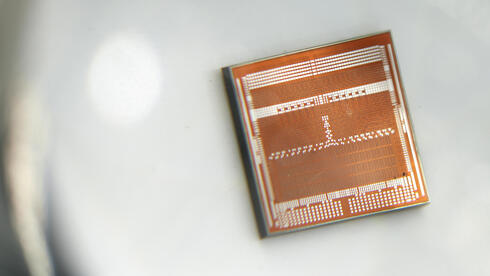
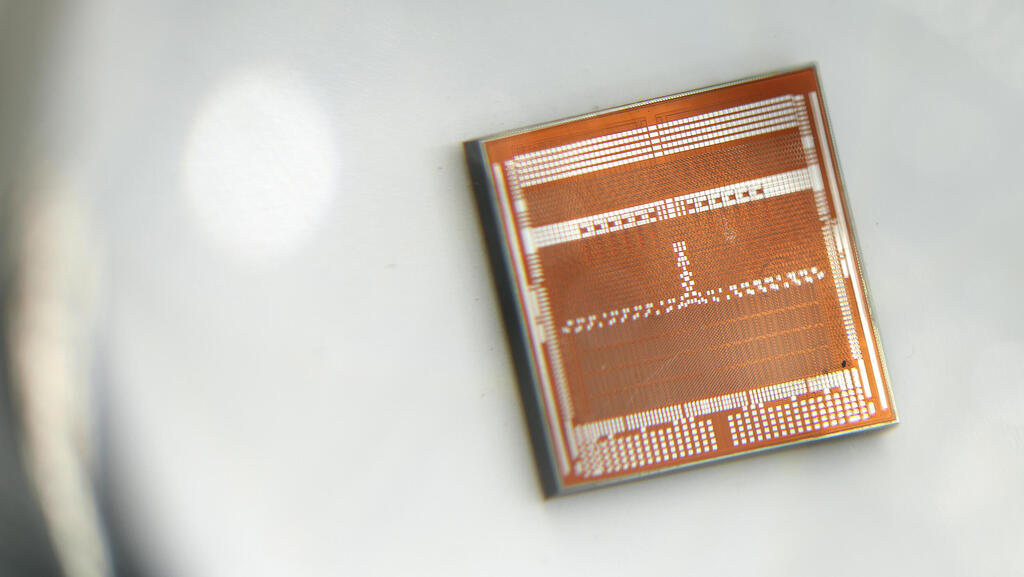
The root of the crisis lies in soaring demand for high-bandwidth memory (HBM) chips, a critical component in artificial intelligence data centers. Production of HBM chips is dominated by three companies, US-based Micron and South Korea’s Samsung and SK Hynix, which are struggling to keep pace with demand. As a result, memory prices have climbed sharply.
Unlike specialized AI processors such as Nvidia’s chips, memory chips are also essential components in consumer electronics, including smartphones, computers and gaming consoles. Rising memory costs are therefore directly affecting the cost of manufacturing these devices.
A growing number of technology companies have raised prices in recent months. Apple increased prices for some Mac and iPad models, while Microsoft raised Xbox prices. In the smartphone market, the biggest casualties of the memory shortage have been Chinese manufacturers Oppo, Xiaomi and Vivo, which focus heavily on more affordable devices and are more exposed to rising component costs.
According to Counterpoint, all three companies recorded double-digit declines in smartphone shipments in the second quarter. Xiaomi’s market share fell from 14% to 12%, pushing it into third place among global smartphone manufacturers. Oppo’s share declined by one percentage point to 11%, while Vivo’s fell by one percentage point to 8%.
At the top of the market, Samsung remained in first place with a 24% share, recording the strongest growth among the five largest smartphone manufacturers. Apple remained in second place with a 20% market share, although its share increased only slightly compared with the same period a year earlier. Counterpoint noted that Apple was the only major smartphone manufacturer that avoided price increases during the second quarter. The iPhone 17 remained the world’s best-selling smartphone model, supported by strong demand in key markets.
However, Apple was not immune to weakness. Its sales in China declined year over year amid weaker demand in the world’s largest smartphone market.
Outside the top five manufacturers, Huawei and Google also recorded notable growth, with smartphone sales increasing by 6% and 16%, respectively.
For 2026 as a whole, Counterpoint expects global smartphone sales to decline by 14%, with the memory chip shortage likely to continue into 2027. “OEMs are likely to keep prioritizing value over volume, trimming low-margin models, pushing configuration and storage-tier adjustments, and leaning further into refurbished and previous-generation devices to retain budget-conscious buyers,” the research firm said. “Premiumization is expected to hold up relatively well throughout the remainder of the year, supported by financing, ecosystem loyalty and AI-led retail experiences. However, overall demand recovery is unlikely until memory supply conditions improve substantially.”



