









The human interview may be the next thing AI replaces
Technology companies believe AI can make hiring faster and fairer, but critics warn that machines may introduce new problems.
AI has already become an integral part of everyday life, and the job search process is no exception. Millions of candidates now use AI tools to write resumes, tailor applications and improve their chances of reaching recruiters. But experts believe the technology is set to move deeper into the hiring process, including the job interview itself.
The push comes as companies and candidates increasingly question the effectiveness of traditional recruitment methods. The problems often begin long before a candidate reaches an interview. Many companies rely on automated systems to screen resumes, a process that has been criticized for sometimes filtering out strong candidates at an early stage. At the same time, the growing use of AI by applicants to create polished resumes and cover letters means employers may increasingly identify candidates who are best at presenting themselves rather than those who are best suited for the role, according to Matthew Bidwell, a professor of management at the Wharton School of the University of Pennsylvania, who spoke with the Wall Street Journal.
The interview stage, traditionally considered the most important part of the hiring process, also suffers from significant weaknesses. Bidwell said recruiters often rely on intuition and personal impressions, but research suggests those instincts are “terrible predictive tools.”
Similarly, research by Jason Dana of the University of Pennsylvania’s Department of Behavioral Sciences found that interviews often place too much weight on irrelevant details, such as hobbies candidates mention while answering “Tell me about yourself”, rather than information that can help determine whether someone will succeed in a position. According to Dana’s research, unstructured interviews have limited ability to predict future job performance.
The consequences are costly. In an April survey by recruitment firm Robert Half of 2,200 US hiring managers, nearly one-third said they had made at least one hiring mistake in the previous two years. The leading causes were inaccurate assessments of candidates’ skills or their fit with the company’s culture.
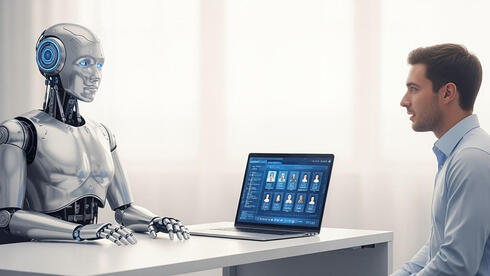
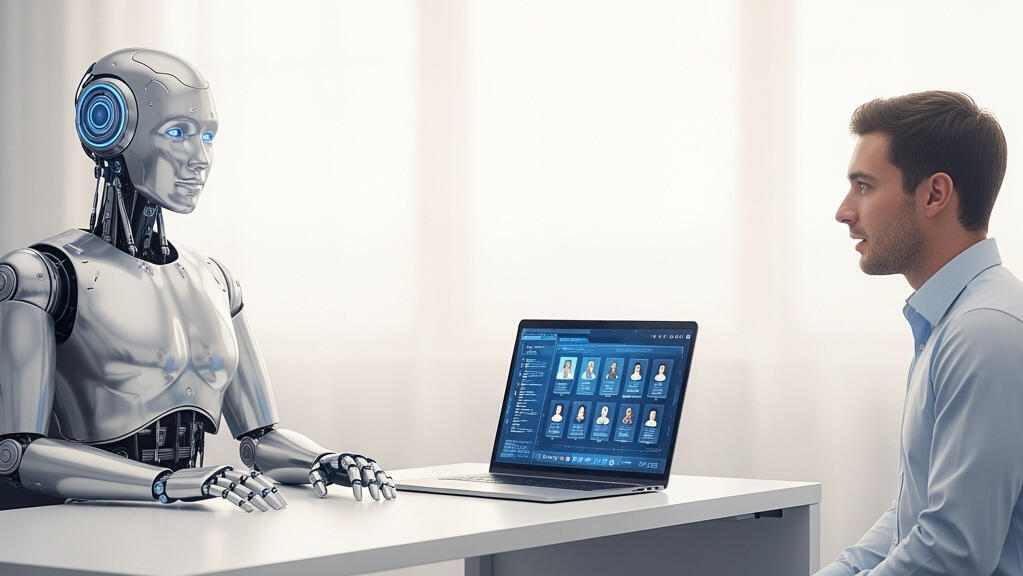
As a result, AI-based interviews are increasingly being viewed as a potential solution. Many companies already use AI chatbots to conduct early-stage candidate screening through phone calls, text conversations or video interviews with digital avatars.
According to Euan Cameron, CEO of candidate assessment platform Willo, AI interviews provide companies with far more data than traditional resume-screening systems, allowing them to focus on the skills that matter most.
LinkedIn, for example, has incorporated AI-powered interviews into its automated recruiting tools for small businesses. The system allows companies to invite promising candidates to short AI-led interviews in which the technology asks questions focused on their skills. LinkedIn says these preliminary interviews can save time compared with traditional processes that may require candidates to spend hours or days interviewing for positions they may ultimately not fit.
AI-based interviews could also help companies identify stronger candidates faster, said Harry Srinivasan, LinkedIn’s chief product officer. By focusing on standardized, skills-based questions, companies can evaluate candidates more consistently than recruiters who must manually review large numbers of applicants.
Recruitment software company Greenhouse has similarly argued that structured interviews built around standardized questions about professional and interpersonal skills produce better results. “The more we rely on the structure and the skills we assess, the more effective the interview is at uncovering who is really good at the job,” Greenhouse CEO Daniel Chait said.
However, AI interviews remain controversial. Chait noted that some candidates choose not to participate because they are uncomfortable being evaluated by a machine rather than a person.
Supporters argue that AI could also reduce human bias in hiring. “I like the idea that AI at least filters out some of the personal biases that many interviewers bring to an interview,” said Richard Landers of the University of Minnesota.
Landers believes hiring could eventually move beyond video interviews entirely, with virtual reality becoming part of the process. A hospital recruiting emergency room nurses, for example, could ask candidates to wear VR headsets that place them in a simulated disaster scenario to evaluate how they prioritize patients and respond under pressure.
For candidates, the rise of AI interviews creates a new set of challenges. Career counselor Amanda Augustine told the Associated Press that applicants should still prepare seriously by reviewing the job description, researching the organization and understanding what employers are seeking. “The more prepared you are, the easier it is to tailor your answer, even when you’re talking to an AI rather than a human,” she said.
Candidates should also treat AI interviews like traditional ones, including paying attention to their appearance and surroundings during video sessions. And while AI may help prepare for interviews, experts warn against using it to generate answers in real time.
“It’s pretty clear when you do it, both to the AI interviewer and the human HR manager who will review the recording,” said Priya Rathod of recruitment platform Indeed. “Using AI to answer the questions could disqualify someone immediately.”
First published: 17:28, 12.07.26



