










SentinelOne veterans raise $100 million to secure the rise of AI agents
Neo says traditional cybersecurity tools were never designed for autonomous software that can reason, make decisions and act inside enterprise systems.
Israeli cybersecurity startup Neo emerged from stealth on Monday with $100 million in funding, betting that the rapid adoption of AI agents is creating an entirely new category of enterprise security software.
The financing consists of a $75 million Series A led by Andreessen Horowitz and Bessemer Venture Partners, with participation from Craft Ventures and Merlin Ventures, following a previously undisclosed $25 million Seed round completed in 2025.
Neo has also attracted an impressive roster of angel investors, including Wiz co-founder and CEO Assaf Rappaport, former Wiz executive Merav Bahat, Eםמ CEO Ofir Ehrlich, Israeli singer and business man Omar Adam, Talon and Argus founder Ofer Ben-Noon, and former NBA player Zaza Pachulia.
The company, founded by former executives from SentinelOne, Wiz and Palo Alto Networks, has developed what it describes as a real-time control layer for AI agents and AI-enabled software. Its platform inventories AI agents, AI-powered applications, browsers, digital identities and traditional software that has acquired autonomous capabilities, helping enterprises understand what those systems can do, what data they can access and how they behave. Neo currently employs 50 people, including 40 in Israel.
The startup is targeting what many cybersecurity executives see as the next major enterprise security challenge. As AI agents become embedded in browsers, developer tools, SaaS applications and traditional enterprise software, they increasingly operate autonomously using legitimate employee permissions, creating security risks that existing endpoint and identity security tools were not designed to address.
According to Gartner, only 5% of enterprise applications incorporated agentic capabilities in 2025, but that figure is expected to reach 40% by the end of 2026.
Speaking with Calcalist, co-founder Shlomi Salem said Neo is focused on protecting what he describes as the "endpoint" of AI agents.
"Traditional endpoint security has always been SentinelOne's bread and butter, and the same is true for many cybersecurity companies," Salem said. "The challenge with AI agents is that they operate with legitimate user permissions. Organizations don't always know what information those agents can access, what actions they're authorized to perform, or how they learn about the organization. Those are entirely new security questions, and that's where we operate."
Salem said Neo focuses on the interaction between users and AI agents, where many of the emerging risks originate.
"We see a lot of problems at that layer," he said. "We discover which AI tools are already installed across the organization and continuously monitor them in real time. We determine which tools should remain, whether they're being used through personal or corporate accounts, how each agent authenticates itself, and whether it complies with the organization's cybersecurity policies. We reduce the attack surface and stop threats before damage occurs."
Neo's platform automatically maps AI agents, AI-powered applications, browser extensions, plug-ins, Model Context Protocol (MCP) servers and traditional software that has acquired agentic capabilities. A continuously updated knowledge base catalogs the capabilities, risks and behavioral patterns of each component, allowing security teams to understand what every AI-enabled tool can do, what information it can access and whether it complies with organizational security policies.
The platform records every action performed by users, AI agents, applications or digital identities, creating a detailed audit trail. Organizations can define policies governing tool activation, API access, data transfers and AI workflows based on users or groups. Neo enforces those policies directly within the software layer, allowing organizations to block risky activity, malicious AI models and prompts that exceed predefined security boundaries.
Traditional enterprise security architectures were designed for software that behaved predictably and relied on human users. AI agents introduce a different model. They can reason, invoke external tools, chain together workflows and make decisions while appearing to operate as legitimate users, making them significantly harder to monitor using conventional security products.
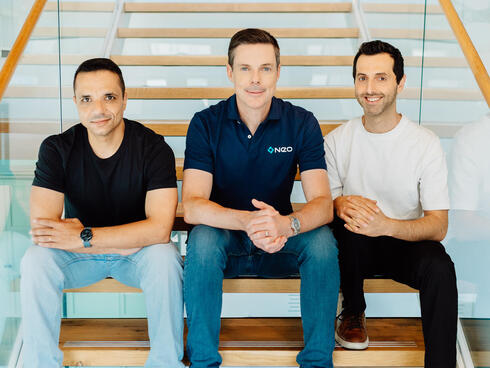
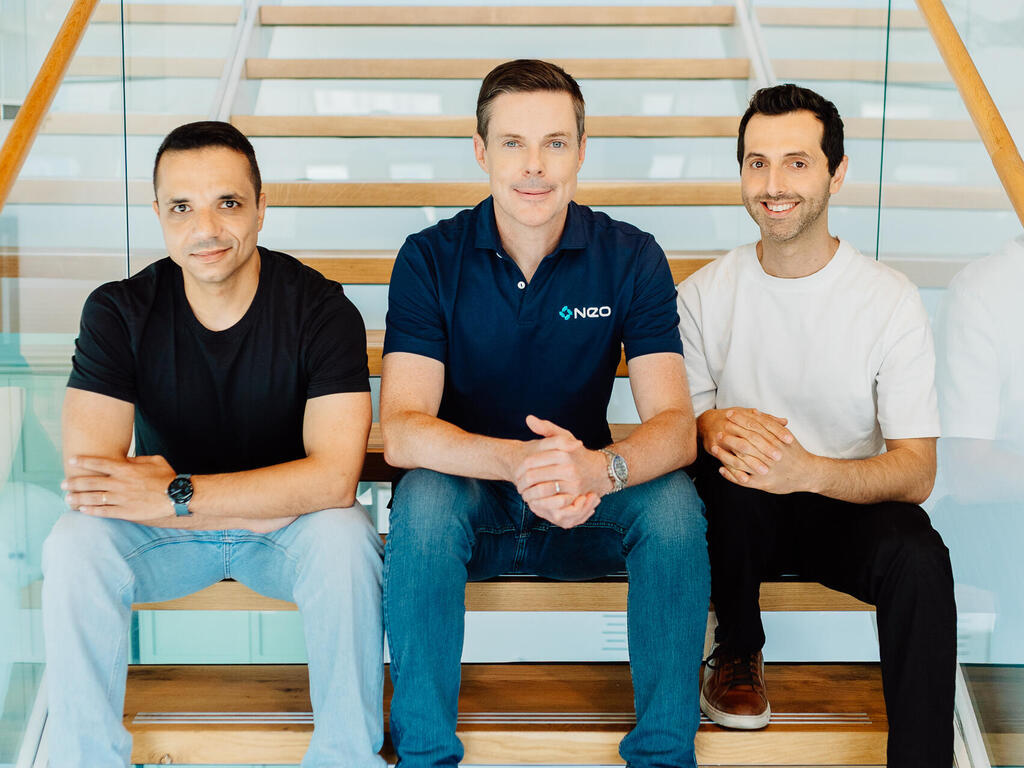
Neo was founded by Nick Warner, Shlomi Salem and Eran Shirazi.
Warner built SentinelOne's go-to-market organization and served as the company's chief operating officer through its 2021 IPO. Before that, he held senior roles at Cylance, McAfee and Forcepoint.
Salem spent more than a decade leading SentinelOne's detection engineering organization and co-led the company's internal threat research team, where he developed threat actor profiles that became a core component of the company's security platform.
Shirazi previously co-founded customer experience software company EasySend and earlier led a vulnerability research group in the IDF's Unit 8200 before overseeing large-scale enterprise R&D programs.
Neo is entering an increasingly crowded AI security market, but is betting that enterprises will ultimately require dedicated controls for autonomous software rather than relying solely on traditional endpoint, identity and cloud security products. Investors appear willing to make the same bet. The company said it will use the new funding to expand its engineering and go-to-market teams as enterprises accelerate adoption of AI agents.
“Every major technological revolution gives rise to an entirely new security category, and agentic AI will be no different,” said Shay Michel, Managing Partner at Merlin Ventures. “As organizations integrate AI agents into their business operations, they will need a clear way to understand, manage, and control them. That is exactly why we believe in Neo.”



