










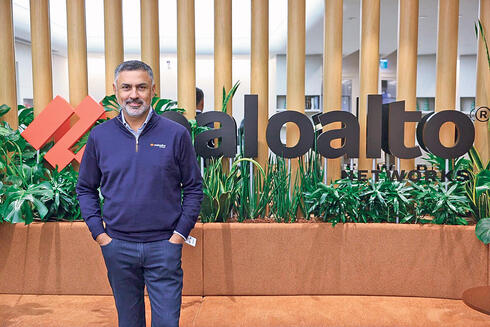
Palo Alto’s CEO bought the dip. Five months later, his $10 million bet is worth $26 million
Nikesh Arora invested as investors questioned whether AI could disrupt cybersecurity. Palo Alto has since reached an all-time high and a market value of roughly $315 billion.
When Nikesh Arora spent roughly $10 million buying Palo Alto Networks shares in late March, investors were questioning whether artificial intelligence could disrupt the cybersecurity industry itself. Palo Alto’s stock had fallen more than 20% since the start of the year, while growing concerns about increasingly capable AI models were weighing on cybersecurity companies across the market.
Arora went the other way.
On March 27, Palo Alto’s CEO bought 68,085 shares at an average price of about $146.88, his first open-market purchase of the company’s stock since November 2019. Less than five months later, the shares are trading at an all-time high and Palo Alto is worth roughly $315 billion.
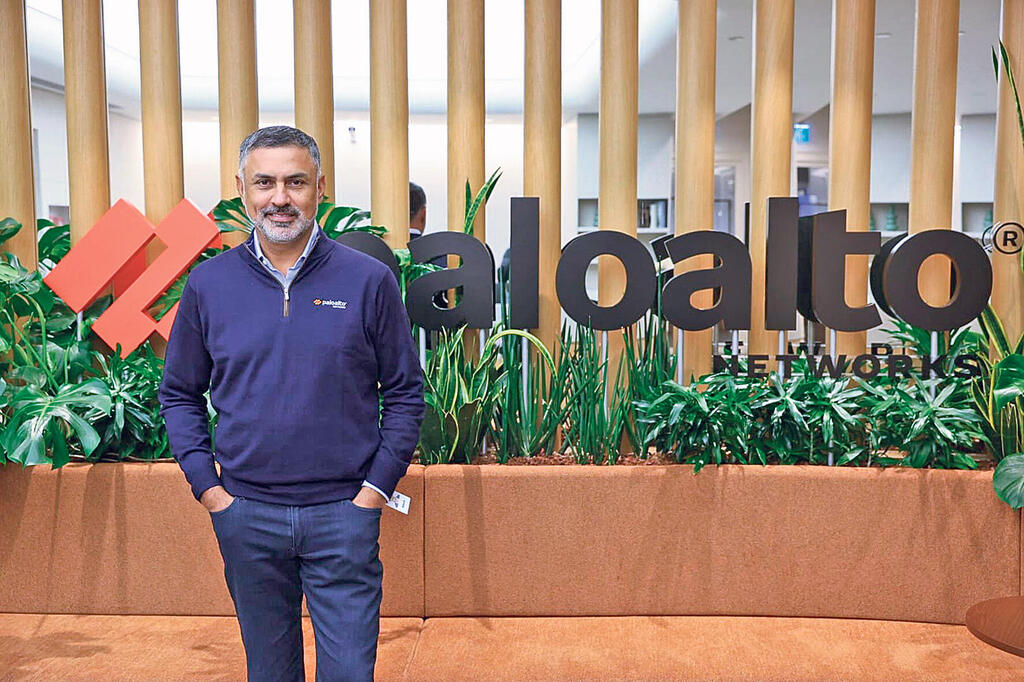
Arora’s stake is now worth more than $26 million, giving him an unrealized gain of more than $16 million on his $10 million investment. The position is worth roughly 2.6 times what he paid for it.
The timing matters more than the paper profit. Arora was buying when the market was debating whether AI would erode the value of cybersecurity companies. His bet was that the opposite would happen as companies deploy more AI systems, create more machine-to-machine activity and expose themselves to new classes of risk.
Palo Alto’s subsequent performance has given that argument some support.
When Arora bought the shares, Palo Alto was down 20.18% since the beginning of the year and 32.94% from its November 2025 high of $219.23. The stock had also fallen amid broader concerns about the implications of increasingly powerful AI systems for cybersecurity.
Those concerns intensified after Anthropic revealed in February a code vulnerability scanning tool, prompting investors to consider whether AI could automate some of the expertise that cybersecurity companies have historically sold to customers.
Arora pushed back against that interpretation.
“As AI becomes more pervasive across the enterprise, it expands the attack surface area, more infrastructure, more machine-to-machine activity and new classes of risk that simply didn't exist before,” he said on Palo Alto’s second-quarter earnings call. “In that environment, security cannot sit on the sidelines.”
He also described the moment as one of the most consequential in the history of the cybersecurity industry and called for AI labs and cybersecurity companies to work together.
The argument is becoming increasingly important as enterprises move from experimenting with AI to deploying it inside their operations. Every new model, AI agent and automated process potentially creates another connection that needs to be monitored and protected.
Palo Alto’s latest results suggest customers are already spending accordingly.
The company’s fiscal third-quarter revenue rose 31% year over year to $3 billion, beating Wall Street expectations of roughly $2.9 billion. Non-GAAP earnings reached $0.85 per share, compared with analysts’ expectations of $0.80.
More revealing was where management saw the demand coming from.
“Q3 was a standout quarter for Palo Alto Networks, with accelerating organic bookings growth as customers turn to us to secure their AI deployments at scale,” Arora said.
He added that the latest advances in AI had increased the urgency around cybersecurity and were redefining the shape of the industry.
The market has since embraced that argument. Palo Alto ended the day of its June earnings report with a valuation of approximately $240 billion, after doubling its market capitalization in just over two months. The company has continued climbing since then and is now worth roughly $315 billion, an all-time high.
That rally has transformed Arora’s March purchase from a contrarian move into one of the most successful insider stock purchases of the year.
But Palo Alto is not simply waiting for AI to generate new security demand. It has been aggressively reshaping itself around the risks created by the technology.
The most important part of that strategy has been its approximately $25 billion acquisition of Israeli identity-security company CyberArk. The deal closed in February and has become a central component of Palo Alto’s effort to build a broader AI security platform.
The strategic logic is tied to the rise of AI agents. Companies are increasingly deploying autonomous systems capable of accessing sensitive data, communicating with other applications and making decisions independently. That makes it increasingly important to determine not only which employees can access corporate systems, but which machines and AI agents should be allowed to do so.
CyberArk is one part of a much broader acquisition campaign.
Over the past year, Palo Alto has completed five AI-related acquisitions. Earlier this year, it also finalized its acquisition of Israeli startup Koi, which focuses on securing AI-driven systems.
Israel has become a particularly important part of Palo Alto’s expansion. Since 2014, the company has acquired 12 Israeli cybersecurity companies, representing half of its 24 major acquisitions worldwide.
The acquisitions have given Palo Alto a growing collection of technologies around identity, cloud security and AI protection at a time when the boundaries between those categories are becoming increasingly blurred.



