










Israel set to reopen 2026 budget as defense spending rises by tens of billions
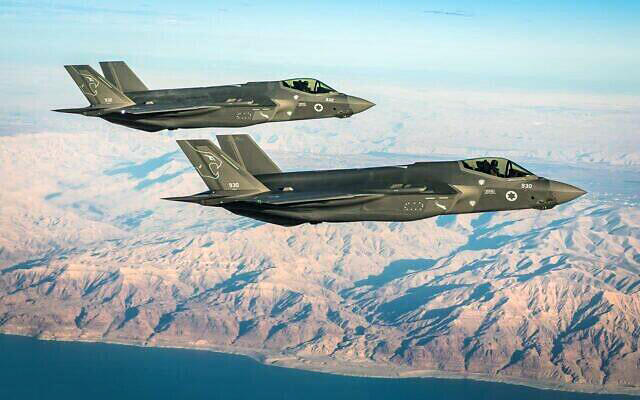
After months of fighting over defense funding, the government is preparing to increase spending this year while committing to further increases in 2027 and 2028.
After months of tensions between the Finance Ministry and the Defense Ministry, the government has decided to increase the 2026 defense budget. Financing the increase will almost certainly require higher government spending, meaning the 2026 Budget Law would have to be reopened and passed again in three readings by the Knesset.
Prime Minister Benjamin Netanyahu also intends to enshrine additional increases to the defense budgets for 2027 and 2028 in a government decision. The total increase expected to be approved in the coming weeks is likely to reach tens of billions of shekels, although the exact amount has yet to be determined.
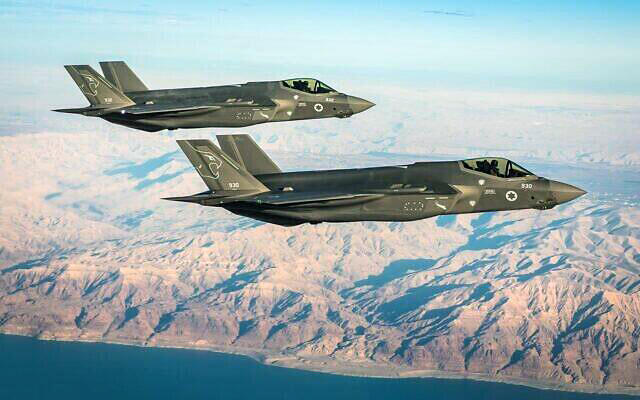
The dispute between the Finance and Defense ministries over the size of the defense budget intensified after October 7. At the end of 2024, the recommendations of the Nagel Committee called for an additional NIS 130 billion over a decade. By the end of 2025, however, the defense establishment was pushing for significantly larger increases. Ultimately, the government agreed to an additional NIS 350 billion over a decade, with NIS 100 billion of the total expected to come from efficiency measures and other revenues.
The 2026 budget became the center of a separate dispute over roughly NIS 40 billion. The budget was ultimately approved along the lines sought by the Finance Ministry, but the Defense Ministry did not abandon its demand for additional funding. The Finance Ministry now appears likely to be forced to reopen the budget.
If that happens, it would be the fourth consecutive year in which Israel's state budget has been reopened, a pattern that could further undermine perceptions of the government's budgetary discipline abroad.
The Finance Ministry is now arguing that any increase should be "the bare minimum." For Finance Minister Bezalel Smotrich, the key issue appears to be ensuring that an increase in defense spending does not lead to a larger deficit. His preference is for the additional spending in 2026 to be financed by stronger-than-expected tax revenues.
Smotrich is also in a different political position from Netanyahu. While an increase in the deficit may pose less of an electoral risk for the prime minister, Smotrich is seeking to strengthen his record as finance minister, making a deterioration in the deficit potentially more damaging to him.
The planned increases for 2027 and 2028 raise a separate budgetary issue. Under the law, the government operates a three-year budget framework, known as the "numerator," which is updated every six months. When projected government commitments for a future year exceed the limits established by law, the government must identify a funding source before making those commitments.
The latest numerator, published in June, showed that the government's projected commitments for 2027 and 2028 were still about NIS 30 billion below the deficit ceiling permitted under the law. At the same time, government commitments in those years are already approaching the maximum permitted spending limit. Any additional defense spending would therefore require the government to identify a budgetary source in its decision.
According to the June numerator, planned spending on security and public order in 2027 stands at NIS 150 billion. That figure includes the IDF, police, intelligence agencies and the judicial system.
The Finance Ministry warned in the document that the final size of the defense budget remained uncertain and could increase significantly. Those uncertainties are now being resolved.
The result is that the next government is likely to inherit a far more demanding budget framework. It will have to find ways to finance the commitments made by the current government, or accept a higher deficit.



