










How Elbit halted Yokneam's first hotel, and why Nvidia may change the story
A project shelved five years ago is attracting renewed interest as Nvidia expands across northern Israel.
Nvidia's expansion in northern Israel and its plans to build a new campus in Kiryat Tivon prompted Yokneam's mayor earlier this year to announce plans for, among other projects, the city's first hotel. But Calcalist has learned that this is not the first attempt to bring a hotel to Yokneam.
A project promoted about a decade ago by real estate developer Lee Marshall was abandoned in 2020 after safety restrictions related to its proximity to an Elbit Systems facility prevented construction from moving forward. The failed development left the company with debts approaching NIS 50 million, and it is now exploring bringing in a partner or selling the land.
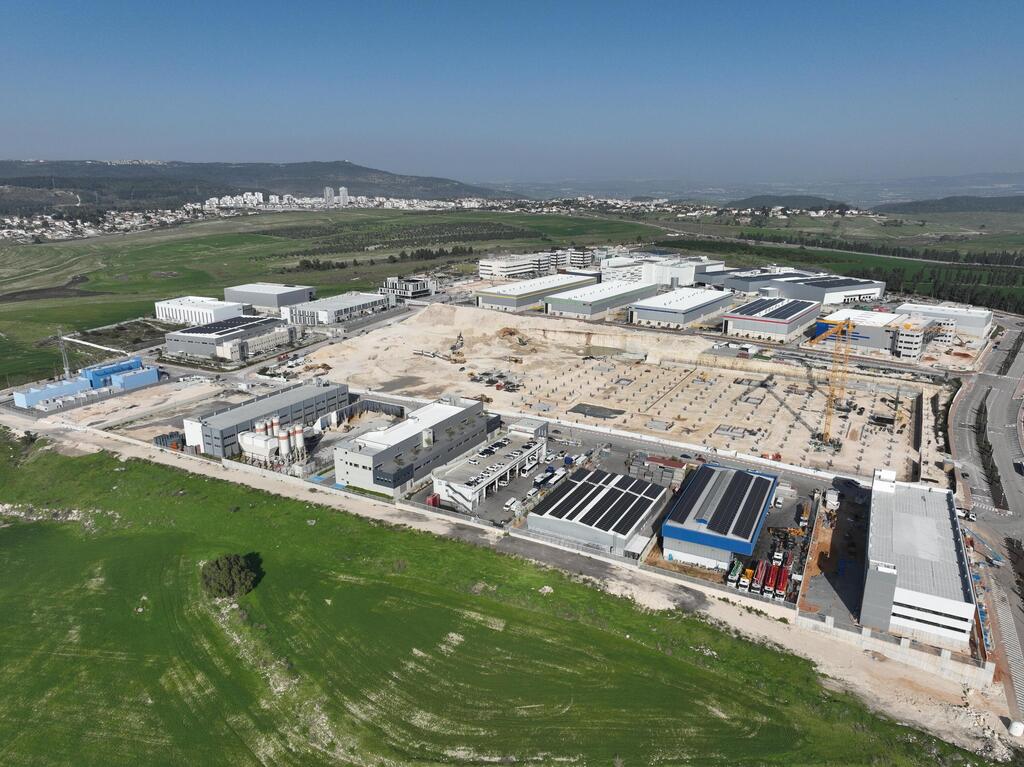
Even before Nvidia's expansion in the region gathered pace following its December 2025 announcement of a new campus in nearby Kiryat Tivon, Lee Marshall had advanced plans for a mixed-use project on a 3.8-dunam site in Yokneam's industrial zone.
In 2019, the local Planning and Building Committee approved a rezoning request that would have allowed the city to build its first hotel alongside office and commercial space. The proposed project included three underground parking levels, a retail floor, six office floors and a two-story, approximately 50-room hotel, as well as a conference center, spa and gym.
The development was expected to cost around NIS 120 million, with funding raised from investors through a dedicated investment partnership.
However, the project never materialized. According to Lee Marshall controlling shareholder Shai Nissim, one of the main obstacles was the site's proximity to an Elbit Systems facility. Safety regulations required the planned hotel to be relocated an additional six meters from the factory to comply with regulatory requirements, effectively derailing the project.
The company later revised the plan, replacing the hotel with an office building, but that project also stalled, partly because of financing difficulties.
According to sources familiar with the matter and the financing industry, Lee Marshall is now considering two alternatives: bringing in an investor to provide capital for the project or selling the land outright.
The renewed attention on the site comes as Nvidia significantly expands its presence in the region. Following its acquisition of Mellanox, the chipmaker established a major development center in Yokneam and is now developing a new campus in nearby Kiryat Tivon while continuing to expand its local operations.
The prolonged delay has worsened Lee Marshall's financial position.
According to records from Israel's mortgage registrar, non-bank lender Menif holds a first-ranking lien securing debt of approximately NIS 30 million, as well as a second-ranking lien securing an additional NIS 18 million. Industry estimates suggest that selling the property could allow the company to repay at least part of its outstanding obligations.
Menif declined to comment on the size of its exposure, citing banking confidentiality, but said: "The developer has been classified as being in arrears for several quarters, and provisions have been made in accordance with the value of the collateral and expected recovery, supported by external appraisals. If necessary, we will enforce our liens, and we are prepared to do so. At the same time, we are in discussions with potential buyers interested in the property and are examining the tax implications and other aspects of a possible transaction."
Menif, led by CEO Maor Duek, specializes in real estate financing and has a market value of approximately NIS 1.5 billion. Its loan portfolio totals roughly NIS 4 billion, and the company has recently drawn investor attention amid the slowdown in Israel's property market. While the downturn has yet to materially affect its financial results, approximately NIS 1.3 billion of its loan portfolio consists of loans whose original repayment dates have already been extended.



