










Technion receives $25 million donation to study why some people age better than others
The gift from Nancy and Stephen Grand will support research spanning biology, cognition, mobility and social habits, including a study that will follow 1,000 adults over several years.
The Technion-Israel Institute of Technology has received a $25 million gift from philanthropists Nancy and Stephen Grand to advance research into aging, including a long-term study that will track 1,000 adults across measures ranging from cognitive performance and mobility to nutrition, stress and social habits.
The donation will support the Nancy and Stephen Grand Healthy Aging Institute, established in 2024 and led by Prof. Shai Shen-Orr of the Technion’s Ruth and Bruce Rappaport Faculty of Medicine. The institute brings together more than 60 faculty members across seven research areas, spanning cellular biology, personalized medicine, assistive technology and the role of communities and the environment in later life.
The goal is to understand aging as more than a biological process measured in years. Researchers aim to examine how factors ranging from a person’s DNA and physical condition to their diet and surroundings shape the quality of life in older age.
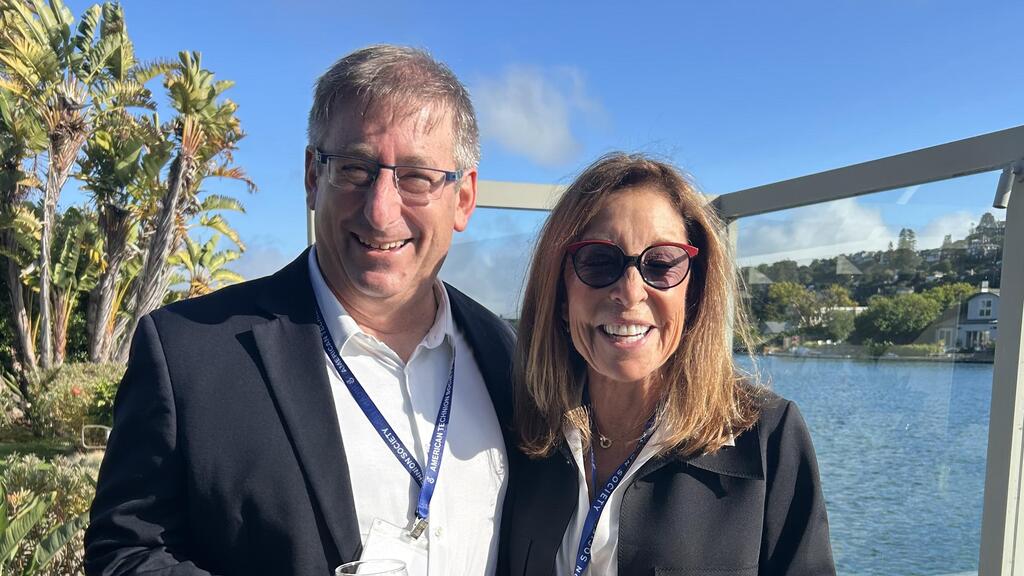
“You can live to 95, but if your brain falls apart in your 70s, then what's the difference?” said Nancy Grand. “[The institute is] concentrating on getting the most out of the years you have left. It's cutting-edge, and it will help humanity.”
A central initiative supported by the gift is the Lifespan Cohort study, which will follow 1,000 adults over several years. Researchers will collect information on stress, gait and movement, cognitive performance, nutrition and social habits, alongside additional measurements developed by Technion faculty. The resulting data will allow researchers to study how these indicators interact over time and refine their understanding of the aging process.
The institute’s research is organized around seven themes: cellular mechanisms of aging; systems aging; cognition and motor function; personalized medicine and biomarkers of aging; personalized food and drug interventions; assistive technology for independent living; and community and environment. Each area is led by one or two senior faculty members, with an emphasis on collaboration across disciplines.
“The Technion Healthy Aging Institute is the gold-standard of multidisciplinary collaboration,” said Shen-Orr, the institute’s founding director. “Aging goes far beyond just a number. Factors as microscopic as our unique DNA to the features of our neighborhood and the foods we eat everyday work together to shape how our last years of life look and feel.”
The institute also includes the Human and Health Monitoring Center and the Systems Medicine Center, which will provide dedicated personnel to support studies involving people, clinical trials and the integration of complex data. The Technion plans to establish a graduate program focused on aging research to train a new generation of scientists in the field.
The research has implications beyond medicine. As populations grow older, the ability to maintain independence and physical, cognitive and social well-being is becoming an increasingly important public health and economic challenge. The institute’s multidisciplinary approach is intended to examine how interventions, technologies and changes in daily life might help people remain healthier for longer, rather than focusing solely on extending lifespan.
Technion President Prof. Uri Sivan said the donation would support research with implications for both Israel and the wider world. “As the population ages, research that will help us not only live longer but also maintain a good quality of life in older age becomes increasingly important,” he said.
The gift is the latest in a series of major investments by the Grand family in the Technion. Their previous support includes the Stephen and Nancy Grand Building in the Stephen B. Klein Faculty of Aerospace Engineering, the Stephen and Nancy Grand Water Research Institute and the Nancy and Stephen Grand Technion Energy Program.



