










Nvidia and Microsoft push Washington to protect open AI models
Tech giants argue that restricting open-source AI could hurt competition and slow innovation, as lawmakers debate how to regulate increasingly powerful systems.
Nvidia, Microsoft and other technology heavyweights made a public case to lawmakers on Friday in favor of open-source AI models, entering a growing debate in the business and policy worlds over who should control the most powerful artificial intelligence systems.
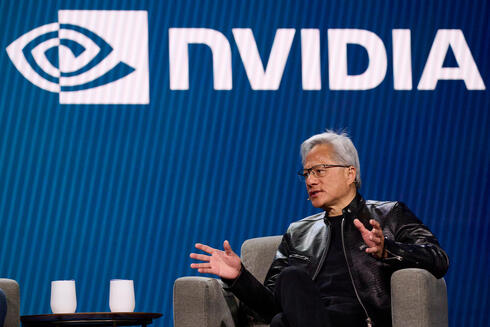
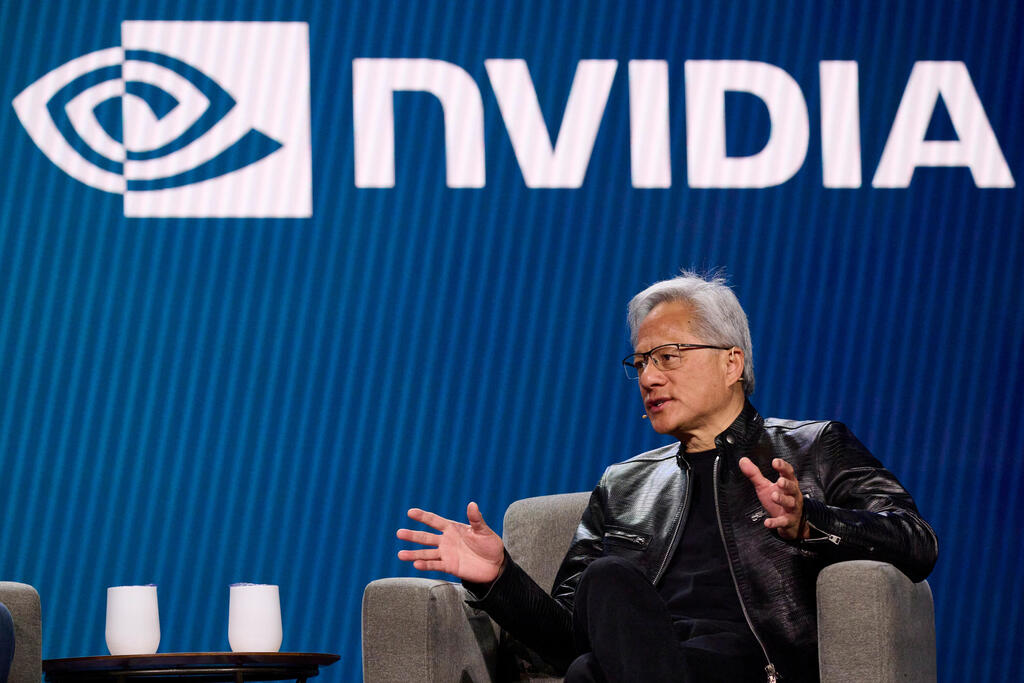
In a letter posted on X and signed by two dozen companies and organizations, including Meta Platforms and IBM, Nvidia CEO Jensen Huang urged lawmakers to avoid “premature restrictions on open models that stifle competition or drive innovation overseas.”
The letter adds to an intensifying debate over open-source AI models, which are more difficult to regulate than closed systems, such as those developed by OpenAI and Anthropic. The discussion has gained urgency as companies release increasingly powerful open models, including Nvidia’s own systems and models developed by Chinese AI labs.
In recent months, Silicon Valley executives have increasingly criticized the costs associated with closed-source AI models. Microsoft CEO Satya Nadella and Palantir Technologies CEO Alex Karp have publicly argued that open-source models, which customers can run on their own infrastructure, could help businesses control AI expenses.
Technology leaders have also raised concerns about restrictions built into closed models by companies such as OpenAI and Anthropic. Hugging Face, the AI collaboration platform that was recently targeted in a cyberattack involving an OpenAI model, said this week that it relied on a Chinese open-source model to help defend against the attack because closed-source models often impose restrictions on cybersecurity-related uses.
At the same time, U.S. lawmakers, alarmed by the rogue OpenAI cyber incident, have proposed legislation that would require AI systems to include a “kill switch.” The Trump administration is also considering sanctions against Chinese open-source AI model developers over allegations that they benefited from the theft of U.S. closed-source technology.
The Nvidia-led letter acknowledged concerns about technology theft but argued that they should be addressed through “targeted legal and commercial frameworks rather than sweeping restrictions.”
“Relying solely on closed models is not inherently safe: they can be breached, misused, or fail in ways that outsiders cannot detect,” the letter said. “Open weight models, on the other hand, allow a broad community of researchers and developers to examine their behavior, identify vulnerabilities, develop safeguards and improve them over time.”



