








Wiz billionaires emerge as bidders for Herzliya Medical after Tshuva deal hits regulatory wall
Preliminary talks have begun after Yitzhak Tshuva's exclusivity expired, but the Ministry of Health's insistence that Clalit control the private hospital continues to complicate any sale.
Negotiations over the sale of Herzliya Medical Center have taken a new turn, with the four founders of cybersecurity giant Wiz emerging as potential buyers after billionaire Yitzhak Tshuva's acquisition bid ran into regulatory roadblocks.
Calcalist has learned that following the expiration of Tshuva's exclusivity period, controlling shareholder Yair Landau has begun holding talks with other potential investors, including Wiz founders Assaf Rappaport, Yinon Costica, Ami Luttwak and Roy Reznik. The entrepreneurs, who each received roughly $3 billion from Google's acquisition of Wiz, manage many of their investments through a family office led by Yotav Costica, Yinon Costica's brother and the former CEO of More Mutual Funds.
1 View gallery
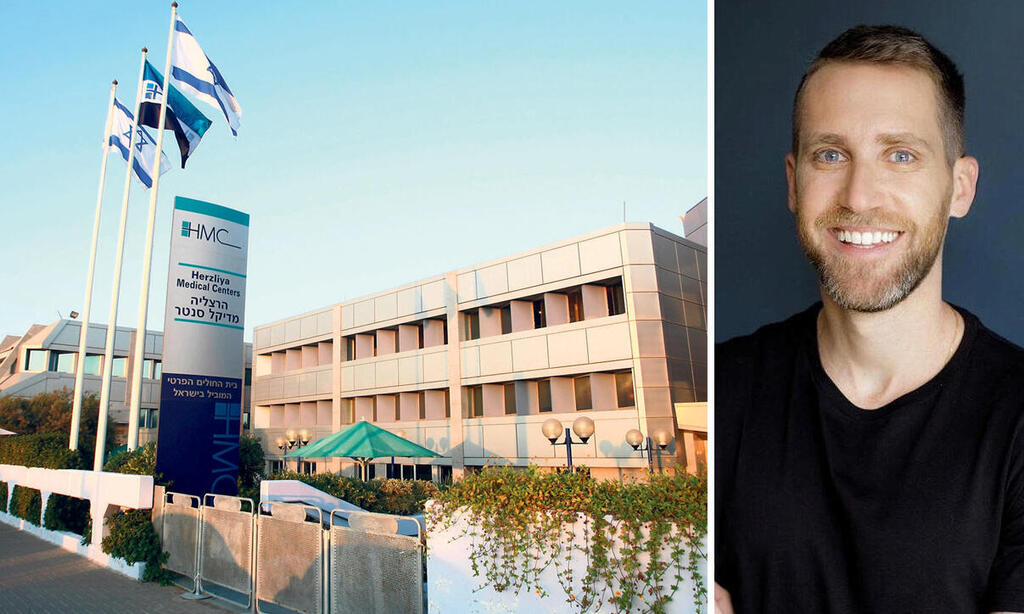
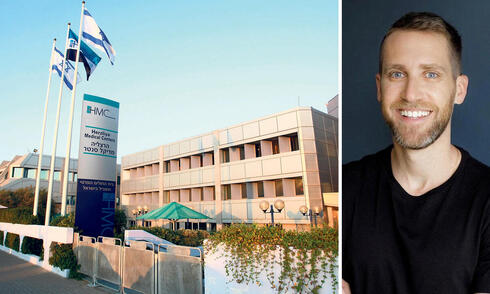
Wiz CEO Assaf Rappaport alongside Herzliya Medical Center.
(Photos: Omer Hacohen, Tomeriko)
The shift comes as the Ministry of Health continues to oppose Tshuva's proposed acquisition. Calcalist has learned that the ministry insists Clalit Health Services increase its holding in Herzliya Medical Center to a controlling stake as a condition for approving any transaction. Clalit currently owns 40% of the hospital, a requirement that complicates not only Tshuva's bid but also any future sale.
For now, the prospects of a deal remain uncertain. The regulatory demand has already cooled the interest of several potential buyers, and while discussions with the Wiz founders are underway, they are still at an early stage.
Tshuva, the controlling shareholder of Delek Group, signed an agreement in January to acquire 27% of Herzliya Medical Center at a valuation of NIS 1.1 billion (approximately $363 million). Under the agreement, he was set to acquire 25% from Landau, who owns 50% of the hospital, while purchasing an additional 2% from Clal Insurance. Clal, which owns 10% of the hospital, simultaneously agreed to sell another 2% to Landau. Clalit Health Services owns the remaining 40%.
Calcalist has learned that Tshuva is continuing efforts to persuade the Ministry of Health to approve the transaction and has examined several alternative ownership structures. He recently met with Ministry Director General Moshe Bar Siman Tov in an attempt to secure approval for a structure that would allow him and Landau to jointly control more than 50% of the hospital. The ministry, however, has rejected those proposals. As with many of his investments, Tshuva is seeking effective control of the asset.
The ministry's insistence that Clalit ultimately control Herzliya Medical Center has discouraged other prospective investors as well. A company specializing in human resources and nursing services has also explored a bid but has not advanced discussions because of the regulatory uncertainty. The Wiz founders are likewise weighing whether to enter a business subject to oversight by both the Ministry of Health and the Capital Market Authority. Their discussions are also based on the NIS 1.1 billion valuation agreed in Tshuva's deal.
Clalit could break the deadlock
One possible solution under discussion would see Clalit purchase Clal Insurance's entire 10% stake, increasing its ownership to 50%. A new investor would then acquire part of Landau's holdings, allowing the ministry's requirement for Clalit control to be met while enabling Landau to sell a significant portion of his stake.
Clalit, which insures more than half of Israel's population, already serves as a major source of patient referrals to Herzzliya Medical Center. The hospital performs approximately 26,000 surgeries annually, including cardiac, neurosurgical and oncological procedures, and operates catheterization and fertility units. It is considered one of Israel's largest private hospitals in these specialties.
The hospital operates on land owned by Landau, who will retain ownership of the real estate regardless of any transaction. Established in 1982, Herzliya Medical Center employs about 600 people and operates from a 9,000-square-meter campus.
Clal Insurance invested in the hospital in 2016, acquiring a 10% stake at a valuation of approximately NIS 700 million. The hospital is managed by Danny Engel.
The current regulatory dispute echoes an earlier battle over the hospital's ownership. In 2021, Landau sold 10% of his stake to Clalit, which intended to increase its holding to 50% in a second phase of the transaction. The Ministry of Health blocked that move, preventing Clalit from obtaining control and leaving it with a 40% stake.
In February, one month after Tshuva signed his acquisition agreement, Bar Siman Tov sent a letter to Clalit making clear that the ministry expects the HMO to ultimately control the hospital. Like all Israeli HMOs, Clalit must receive regulatory approval to own shares in a private hospital. In the letter, the ministry said it expects Clalit to oversee the volume of surgeries performed at Herzliya Medical Center in a way that supports the public healthcare system and to control the hospital's board of directors.
While the letter stopped short of explicitly requiring Clalit to own a majority stake, it left little doubt that the ministry expects the HMO to increase its holding to at least 50.01%. The review of Clalit's ownership permit began several months before Tshuva's proposed acquisition, as part of a broader policy under which Israel's HMOs are expected to control the private hospitals in which they invest.



