










Microchip acquires Hailo after Israeli AI chip startup's dramatic fall from $1 billion valuation
The U.S. semiconductor giant did not disclose the purchase price, but industry estimates suggest it is only a fraction of Hailo's previous valuations. The acquisition ends a turbulent chapter for Hailo, which raised $340 million before facing layoffs, emergency financing and a collapsed SPAC merger.
American semiconductor giant Microchip Technology has signed a definitive agreement to acquire Israeli AI chipmaker Hailo, which develops Edge AI processors, computer vision chips and AI software for intelligent edge devices. The acquisition follows a particularly difficult period for the Israeli company, which struggled with severe liquidity challenges, took on emergency loans, carried out significant workforce reductions, and saw its planned merger with a special purpose acquisition company (SPAC) collapse as its valuation fell below $500 million. The purchase price was not disclosed, but industry estimates suggest it is only a fraction of Hailo's previous valuations.
The deal marks a bittersweet ending for the Israeli startup. Founded in 2017, Hailo raised approximately $340 million from investors including the Zisapel family, OurCrowd, Alfred Akirov and Delek Automotive, reaching a valuation of more than $1 billion. Delek Automotive, one of Hailo's largest investors, provided emergency financing to keep the company operating and has already announced it will write off most of its investment in its upcoming financial statements, meaning the acquisition will not prevent a significant accounting loss.
For Microchip, a global leader in microcontrollers, embedded processors, FPGAs, connectivity, analog chips and secure embedded control solutions, the acquisition significantly expands its capabilities in one of the fastest-growing segments of the semiconductor market: artificial intelligence at the edge. Rather than processing AI workloads in cloud data centers, Edge AI enables applications to run directly on devices such as robots, drones, industrial automation systems and smart cameras, reducing latency while lowering bandwidth and power requirements.
Hailo's portfolio includes the Hailo-8, Hailo-10 and Hailo-15 families of AI processors, which support both traditional computer vision applications and more advanced AI workloads, including transformer models and large language and vision-language models. The chips also integrate advanced image signal processing (ISP), digital signal processing (DSP), H.264 and H.265 video encoding, and AI-powered video stream processing capabilities.
The acquisition also gives Microchip more than 100 active customers, an established developer community of more than 10,000 users, and Hailo's growing Raspberry Pi ecosystem, which has helped drive adoption of its Edge AI technology among developers building AI applications.
"The acquisition of Hailo accelerates Microchip's expansion into high-performance edge AI processing," said Mark Reiten, Senior Corporate Vice President at Microchip. "Hailo's AI acceleration, advanced vision processing and software ecosystem directly complement Microchip's embedded processing, FPGA, connectivity, security, power and analog portfolio. Together, we can help customers build more capable intelligent edge systems with the right balance of performance, power efficiency, reliability and system cost."
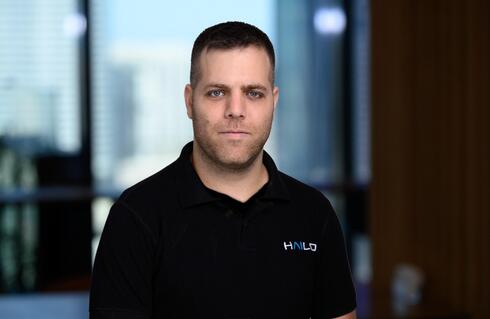
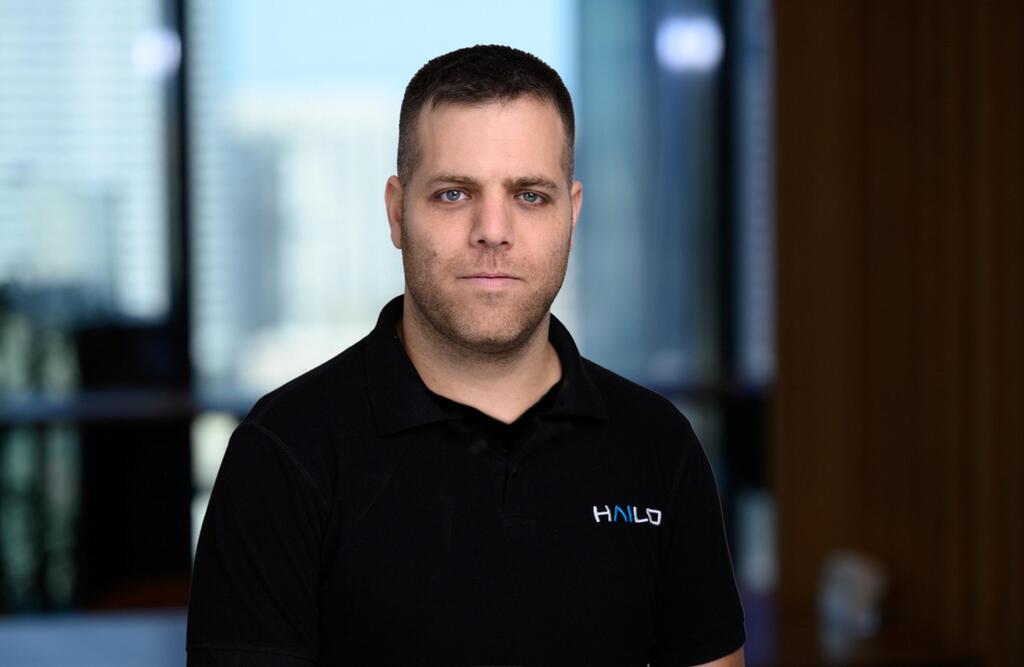
Hailo CEO and co-founder Orr Danon said the acquisition would provide the company with the scale needed to commercialize its technology more broadly.
"Joining Microchip would give Hailo the opportunity to scale our accelerated Edge AI technology through a global embedded systems leader," Danon said. "Microchip's customer reach, channel scale and broad technology portfolio would create a strong platform for bringing advanced vision processing and AI acceleration to a broader range of intelligent edge applications."
The acquisition also continues Microchip's broader AI strategy. The company previously strengthened its AI capabilities through the acquisition of Neuronix AI Labs, adding neural network optimization technology for AI and machine learning workloads running on FPGAs and system-on-chip devices. Hailo adds dedicated Edge AI processors, vision system-on-chip products and software tools that significantly broaden Microchip's AI portfolio.
The transaction is expected to close toward the end of Microchip's current quarter ending September 30, subject to customary regulatory approvals and closing conditions. The financial terms were not disclosed, and Microchip said the acquisition is not expected to have a material impact on its financial results.



