











Oracle CFO tells investors $20 billion is “the final amount”
Oracle says it will need no more than another $20 billion in debt and equity funding for its current investment cycle, as it targets positive free cash flow in the second half of fiscal 2028 and more than $30 billion in fiscal 2029.
"I've told you we need an additional up to $20 billion in funding for the remainder of our fiscal 2027," Hilary Maxson, Oracle's chief financial officer, told investors in Las Vegas on Wednesday. Then she added the sentence they had come to hear: "We're announcing that this $20 billion, split evenly between debt and equity, is the final amount needed to fund the remainder of this cycle."
The shares of the company, which has become a focal point of worries over the cost of the artificial intelligence boom, rose by more than 11%. The words were less a new plan than a closing of the door.
Oracle had previously said it planned to raise $40 billion through debt and equity in the current fiscal year, including a $20 billion stock sale completed in the first quarter. The latest $20 billion is intended to cover the remainder of fiscal 2027, while the company says its financing cap extends through fiscal 2030 and excludes the refinancing of existing debt.
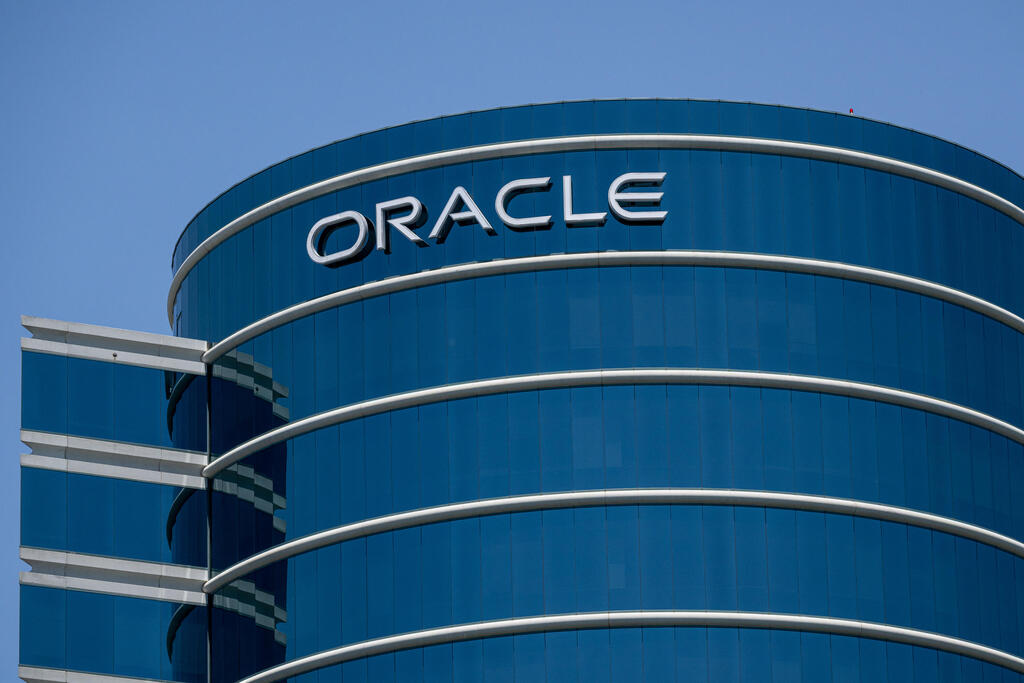
Oracle has become a focus of investor concerns about the cost of the AI boom. Its partnership with OpenAI has added hundreds of billions of dollars to its backlog of cloud contracts, but fulfilling those commitments requires substantial investment in data centers and computing infrastructure.
Unlike Microsoft and Amazon, Oracle has a smaller revenue base to support that expansion and relies heavily on OpenAI, which is not yet profitable. The company has turned to debt and stock sales to finance its growth, raising questions about whether its future cash generation will justify the investment.
As of August 31, Oracle had $125.34 billion in notes payable and other borrowings, compared with approximately $36.37 billion in cash and cash equivalents, according to Reuters. The company had also lost about a third of its market value this year before Wednesday’s rally, amid concerns about its debt burden and the cost of its AI expansion.
Maxson said Oracle expects free cash flow to turn positive in the second half of fiscal 2028 and exceed $30 billion in fiscal 2029. Capital spending is expected to peak in fiscal 2027 and 2028 before declining.
Oracle also expects to stop relying on outside funding to finance growth from fiscal 2029, with net debt projected to fall below 3.5 times annual core earnings.
Until then, the company expects vendor financing, customer-provided hardware and customer prepayments to reduce its upfront cash requirements as it moves toward positive free cash flow.
The projections represent a significant turnaround from the outlook for the next two years. Analysts expect Oracle’s free cash flow to be negative by approximately $35 billion this fiscal year and a similar amount next year, according to FactSet figures cited by CNBC.
Capital spending more than doubled to $55.7 billion in fiscal 2026 and is forecast to rise another 65% to $91.9 billion in fiscal 2027. If the analyst estimates prove accurate, Oracle’s projected shift to positive cash flow would require a turnaround of more than $65 billion in roughly two years.
Oracle also forecast revenue of at least $225 billion in fiscal 2030, with an adjusted operating margin above 40% and adjusted earnings exceeding $21 per share. Analysts surveyed by LSEG had already expected revenue of $224.2 billion.
The company reaffirmed its fiscal 2027 forecast of revenue above $90 billion and adjusted earnings of $8.10 per share.



